
Exceptional Heritage of Wallonia
The château
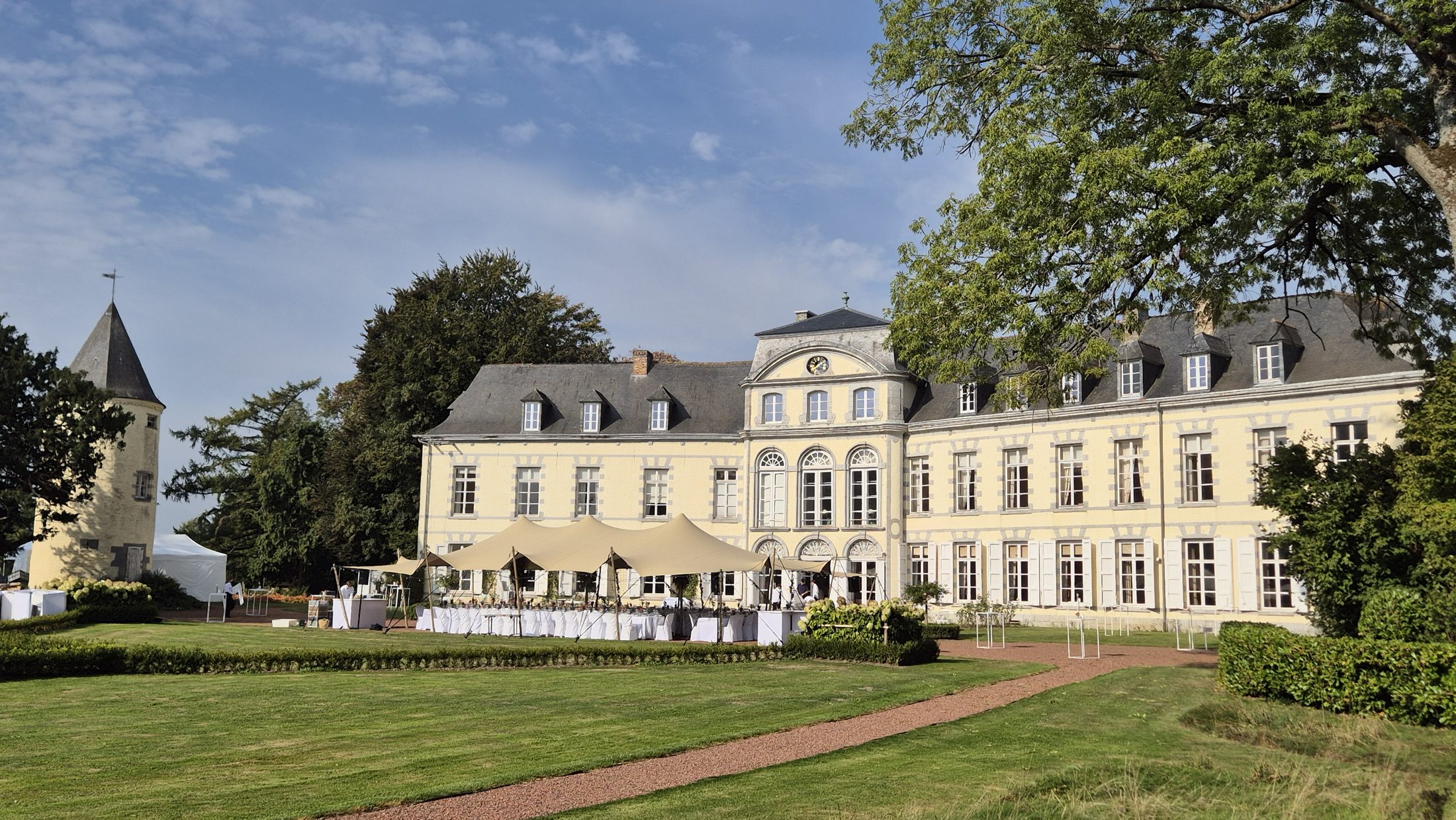
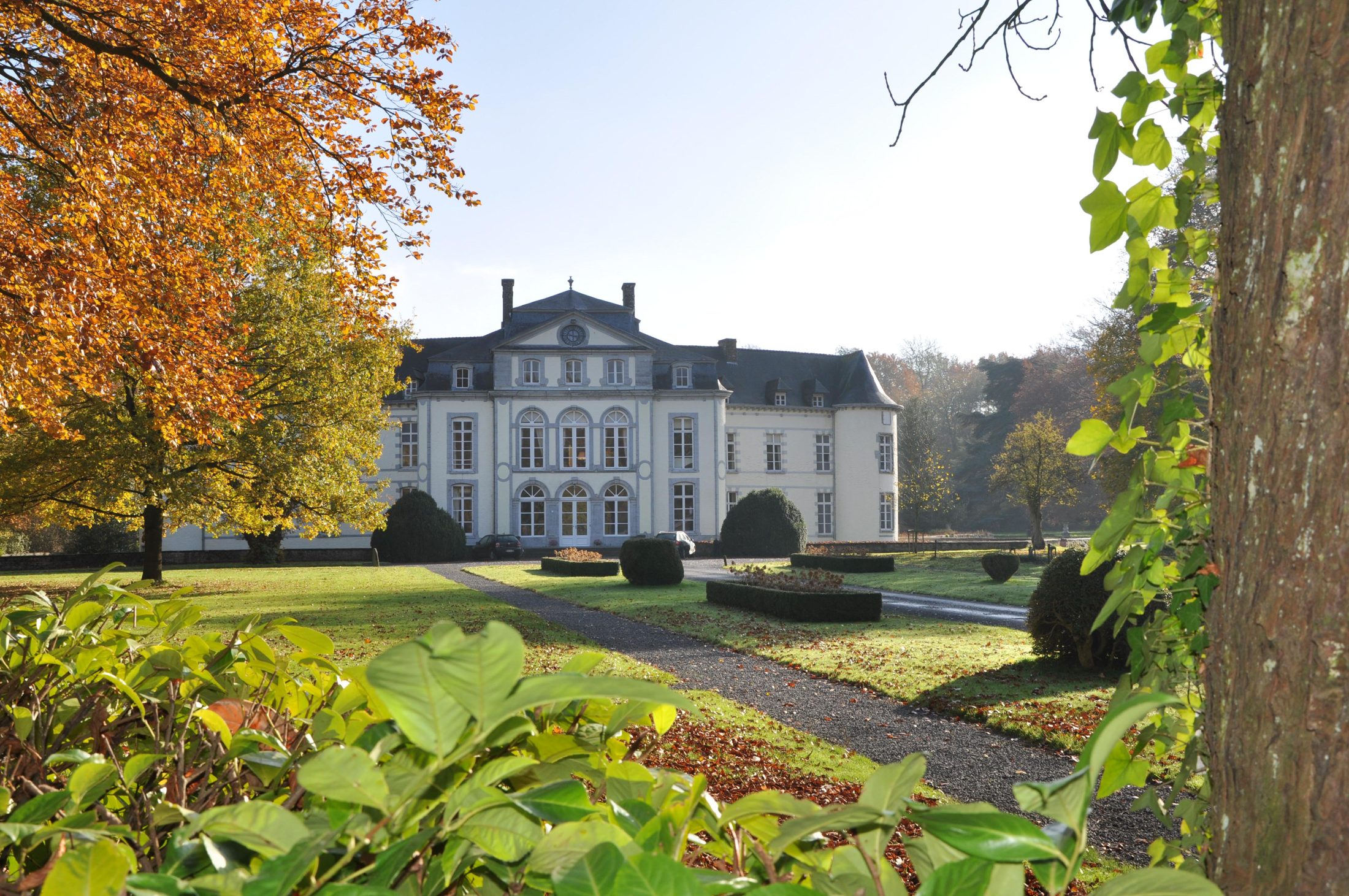
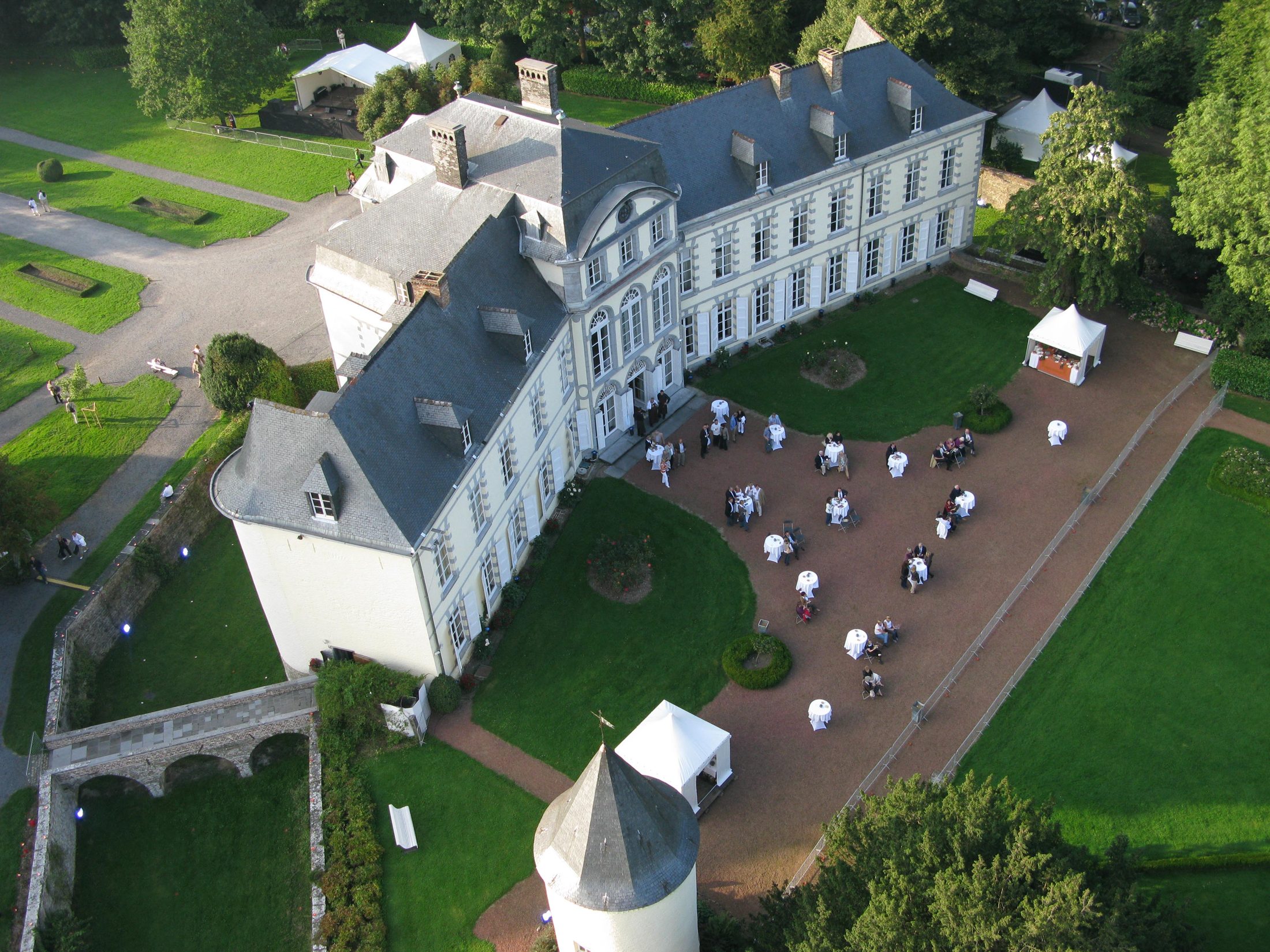
Once a feudal fortress, the Château de Bois-Seigneur-Isaac was transformed into a country house between 1730 and 1740.
History
Nine centuries of history, from feudal stronghold to family home.
Late 11th century
Isaac de Valenciennes
Isaac de Valenciennes, of a distinguished Hainaut family, plants a wood near the village, which takes its name from him. This « Bois planté » still stands 500 metres from the château, along the road to Lillois.
12th century
A stronghold on the edge of Hainaut
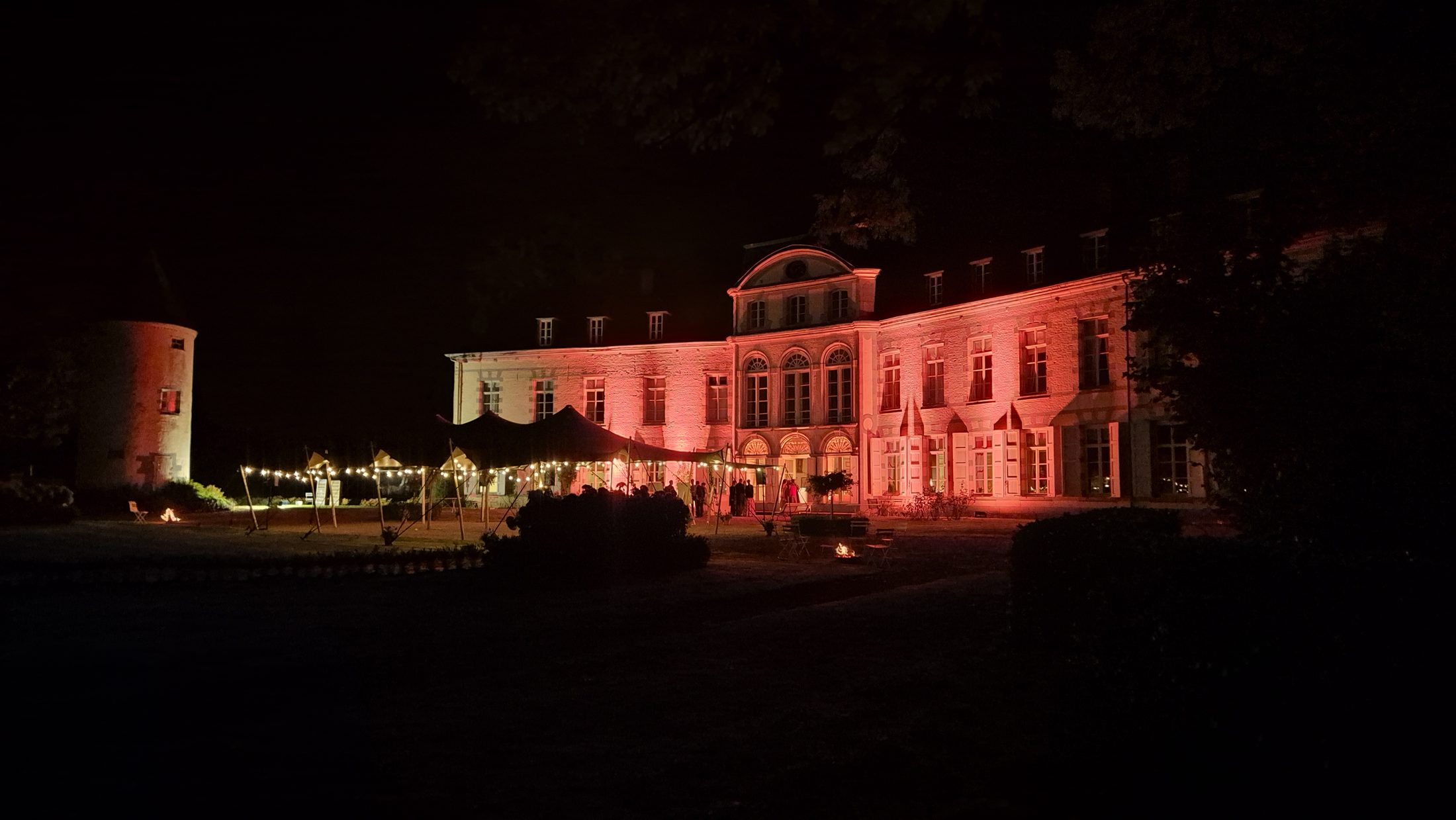
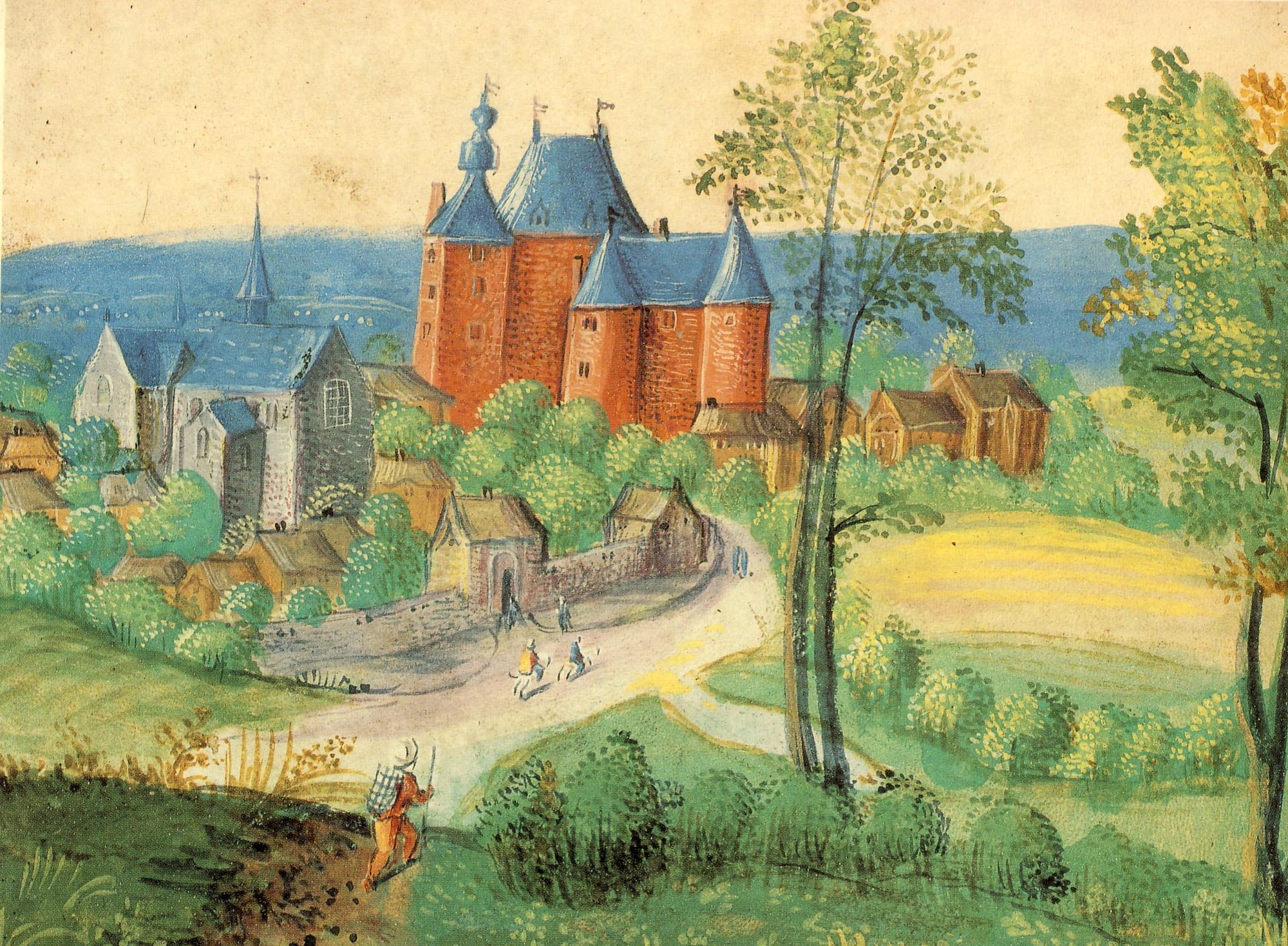
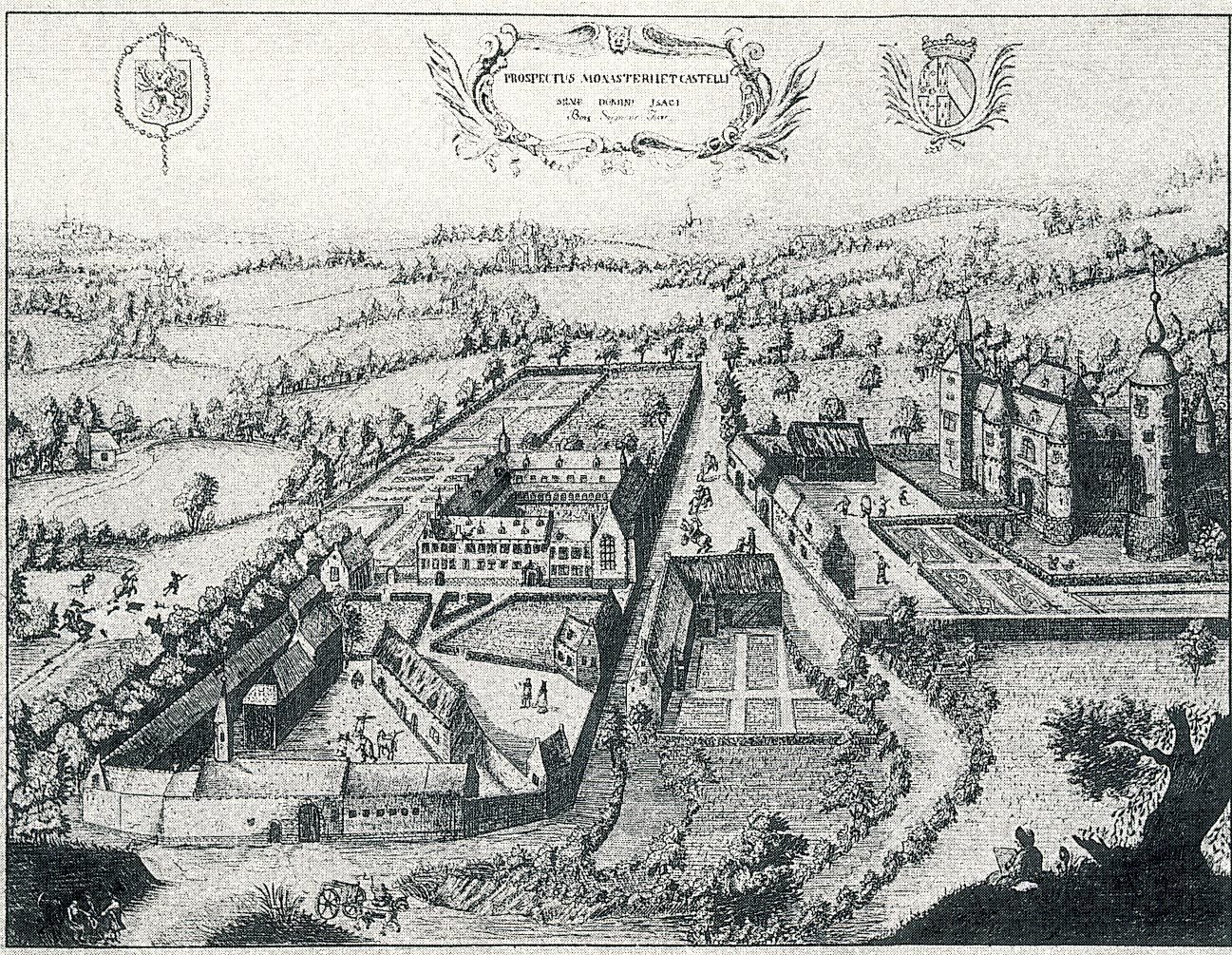
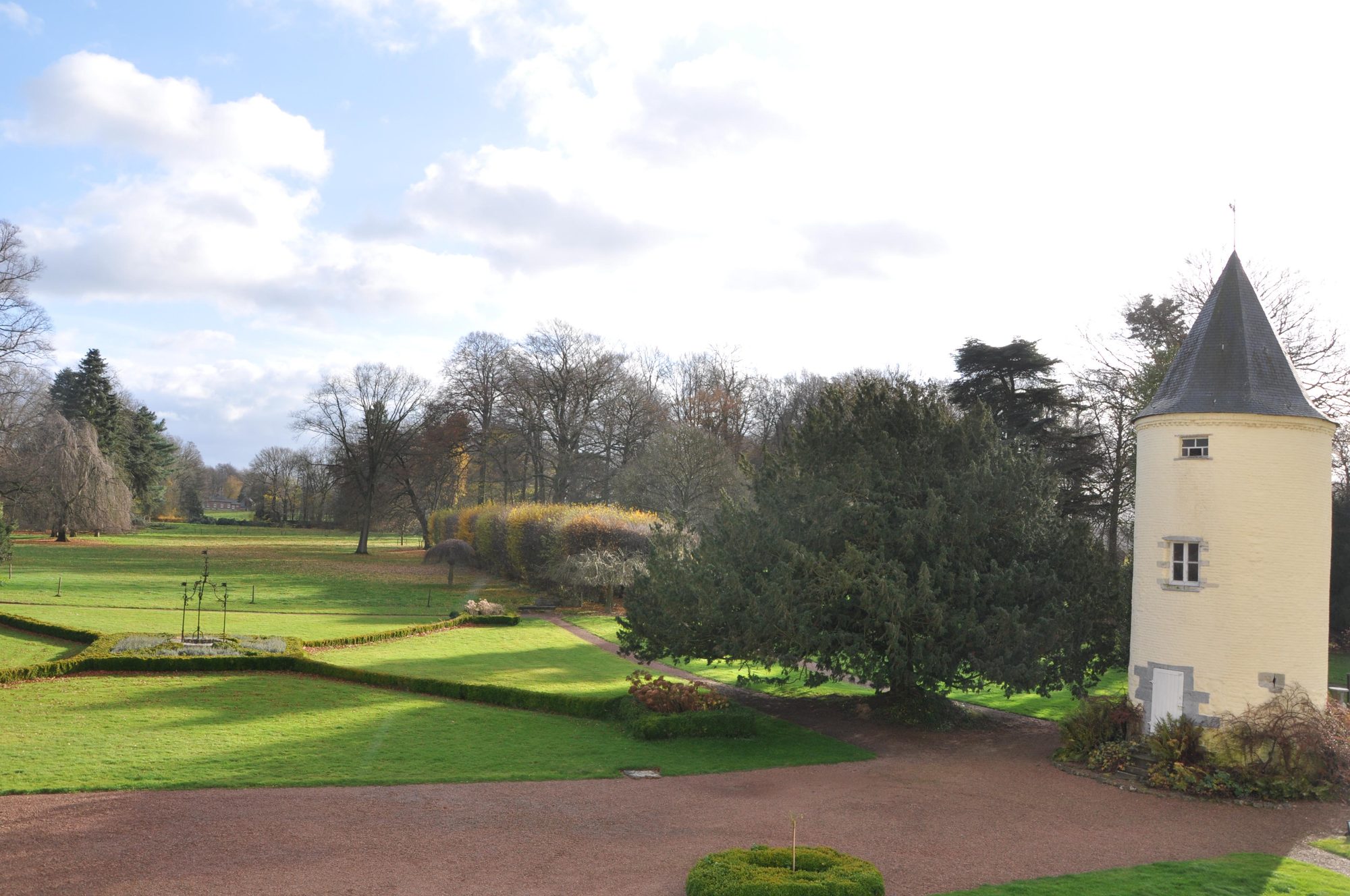
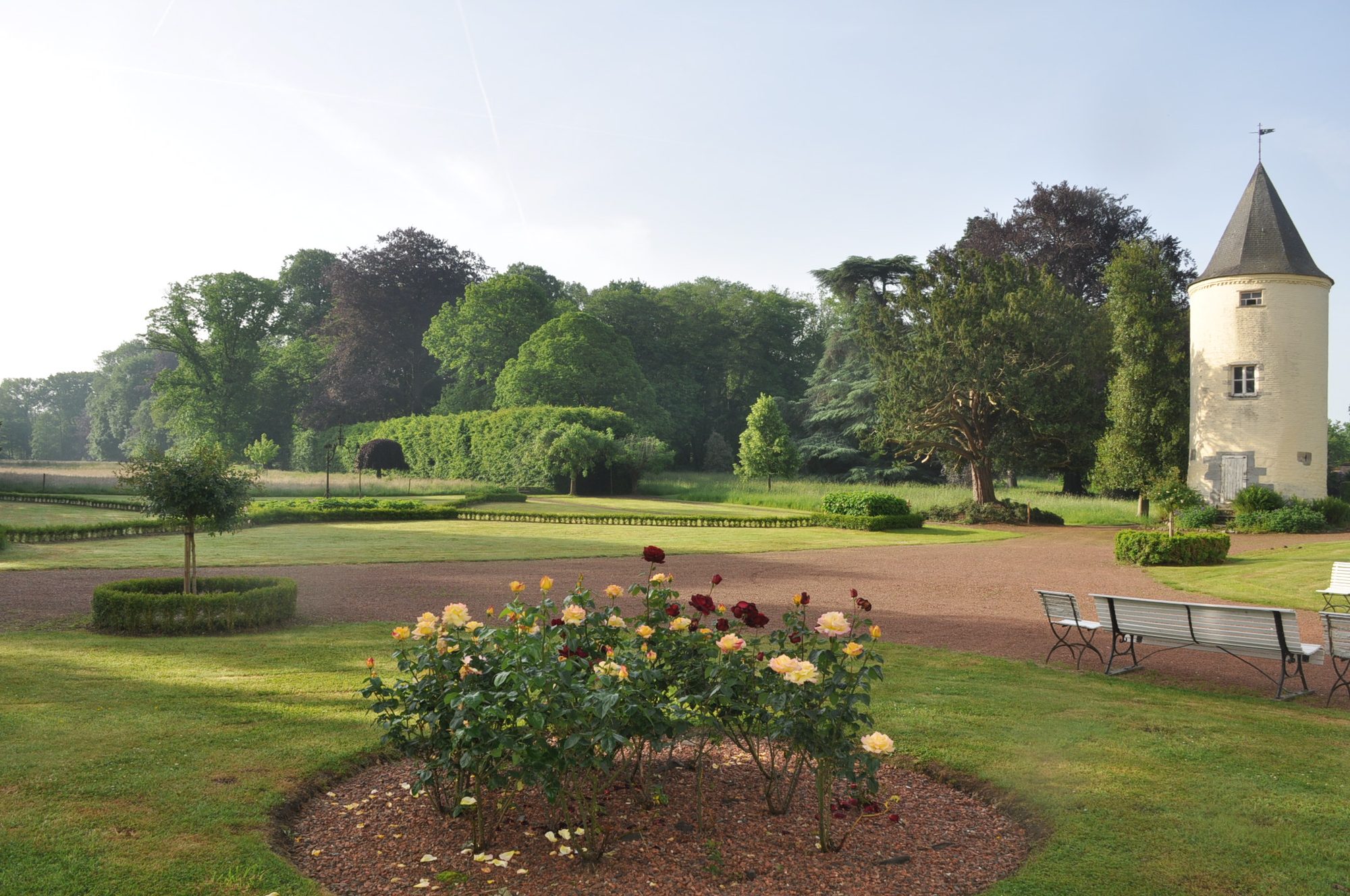
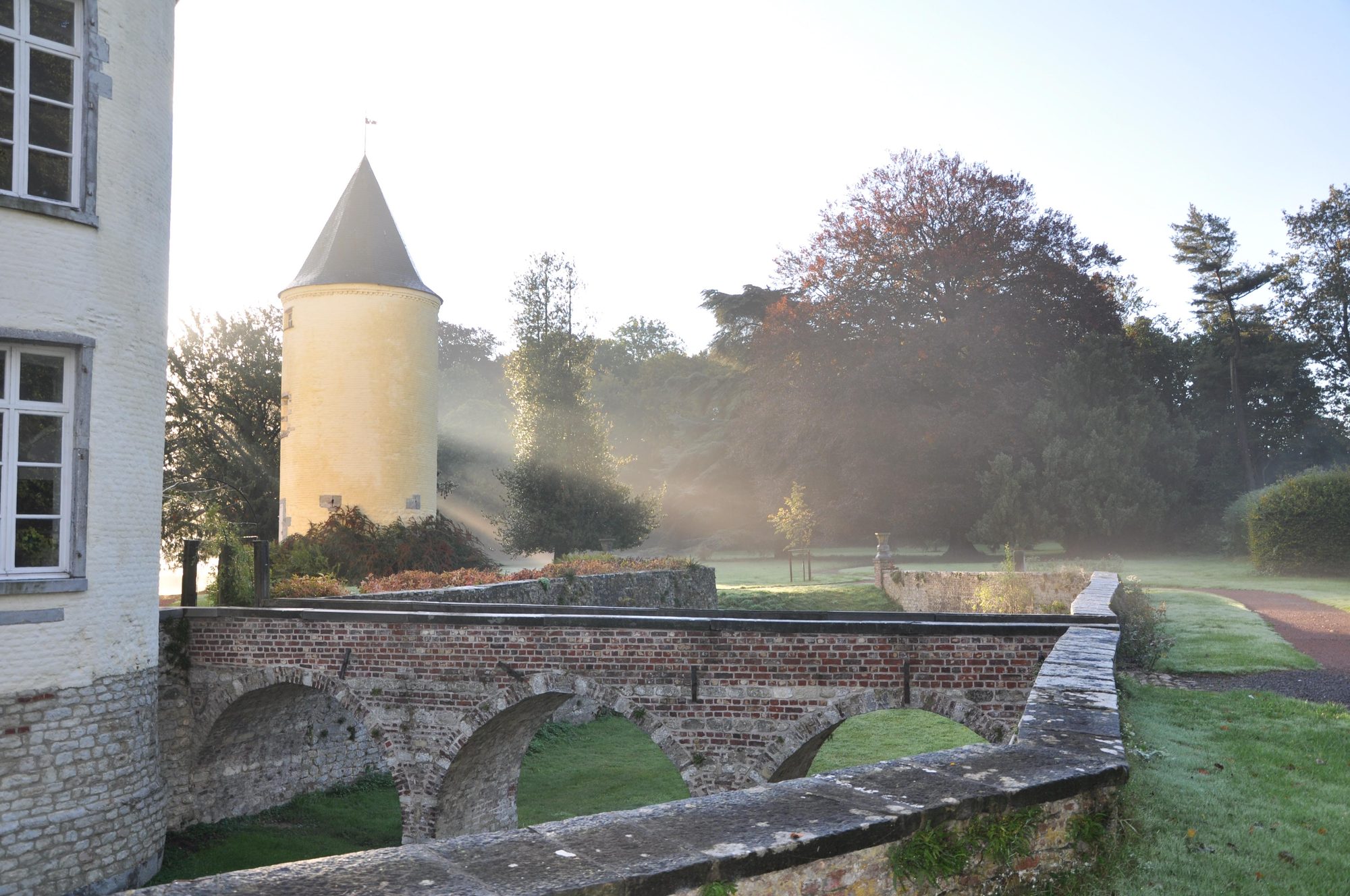
The château is one of a line of fortresses guarding the county of Hainaut against the ambitions of the dukes of Brabant. The free-standing round tower to the south, with its arrow slits, is its last remaining witness.
Middle Ages to 17th century
Huldenberg, de Dave, Sainte-Aldegonde
The lordship passes in turn to these three families. In the late 17th century a bitter inheritance dispute among the heirs of the last Countess of Sainte-Aldegonde, born Agnès de Dave, ruins all parties.
1712
Antoine de Belhomme
Put up for sale, the lordship and the château are bought by Antoine de Belhomme, receiver-general of the Aids and Subsidies of the county of Hainaut.
1730 – 1740
A country house
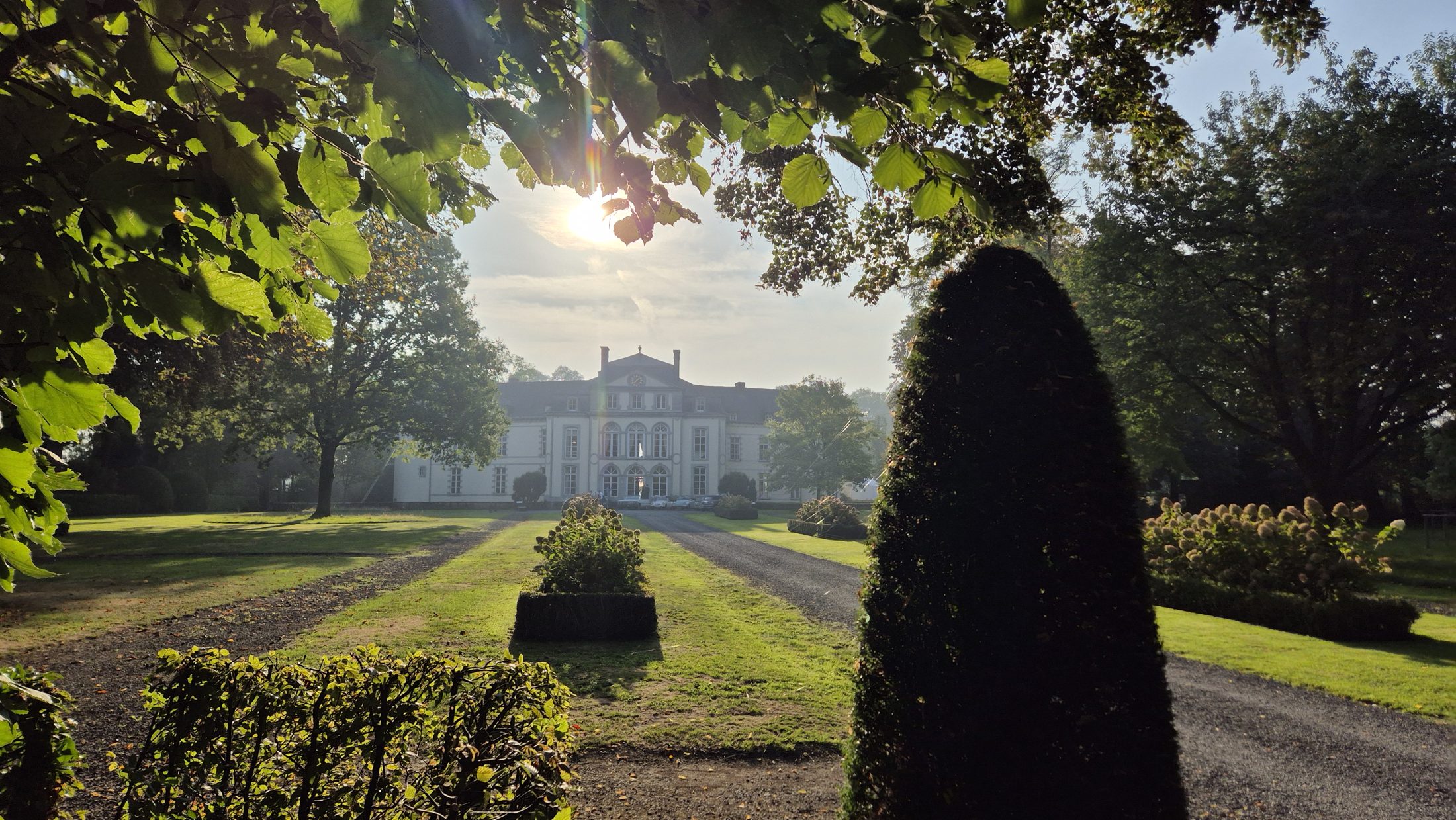
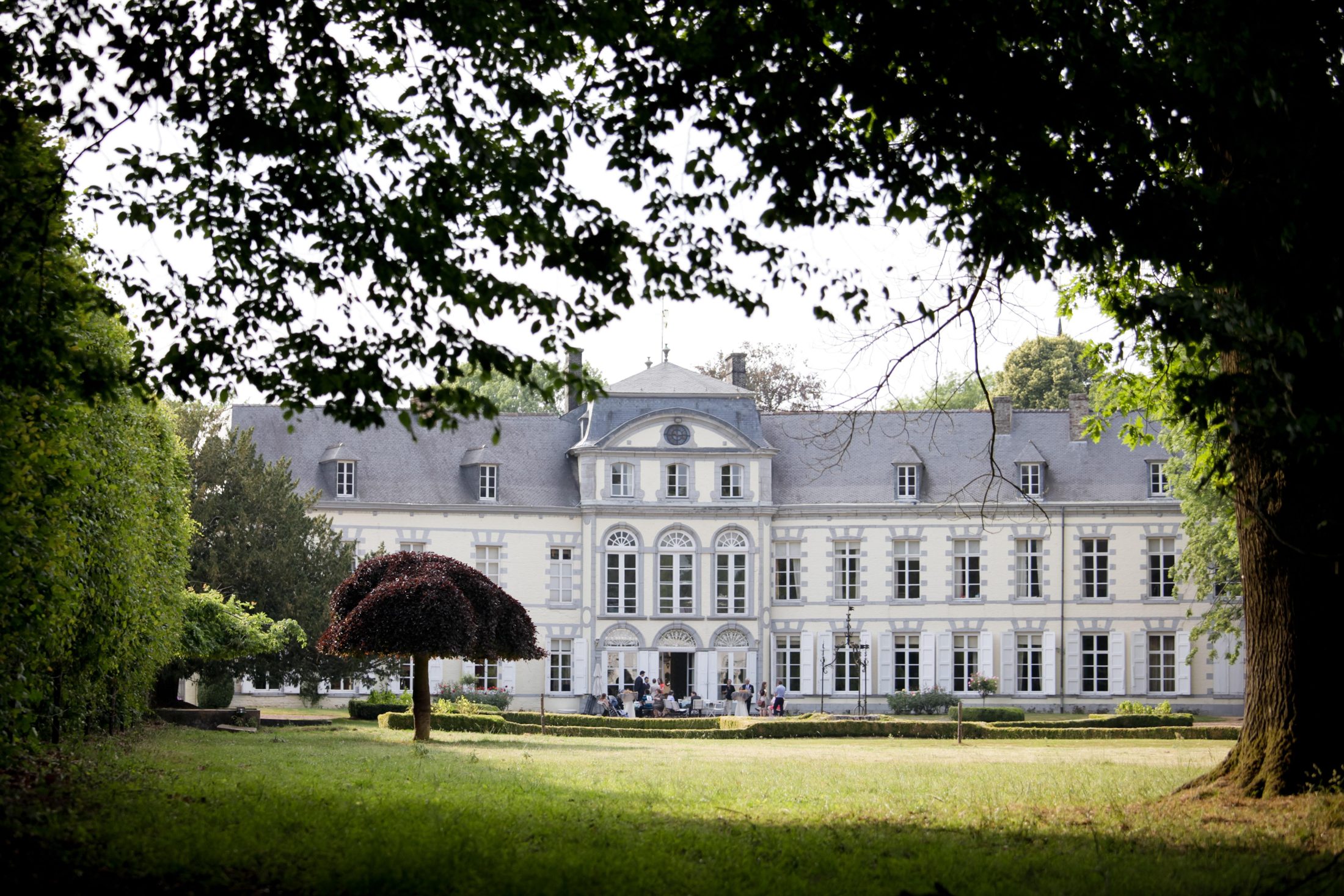
With his wife, Marie-Thérèse Rouillon de Castaigne, and the architect Hannotaux, he turns the fortress into a country house. Where the drawbridge stood rises a central pavilion in the French classical style, with wide round-arched windows beneath a triangular pediment.
1810
The Snoy family arrives
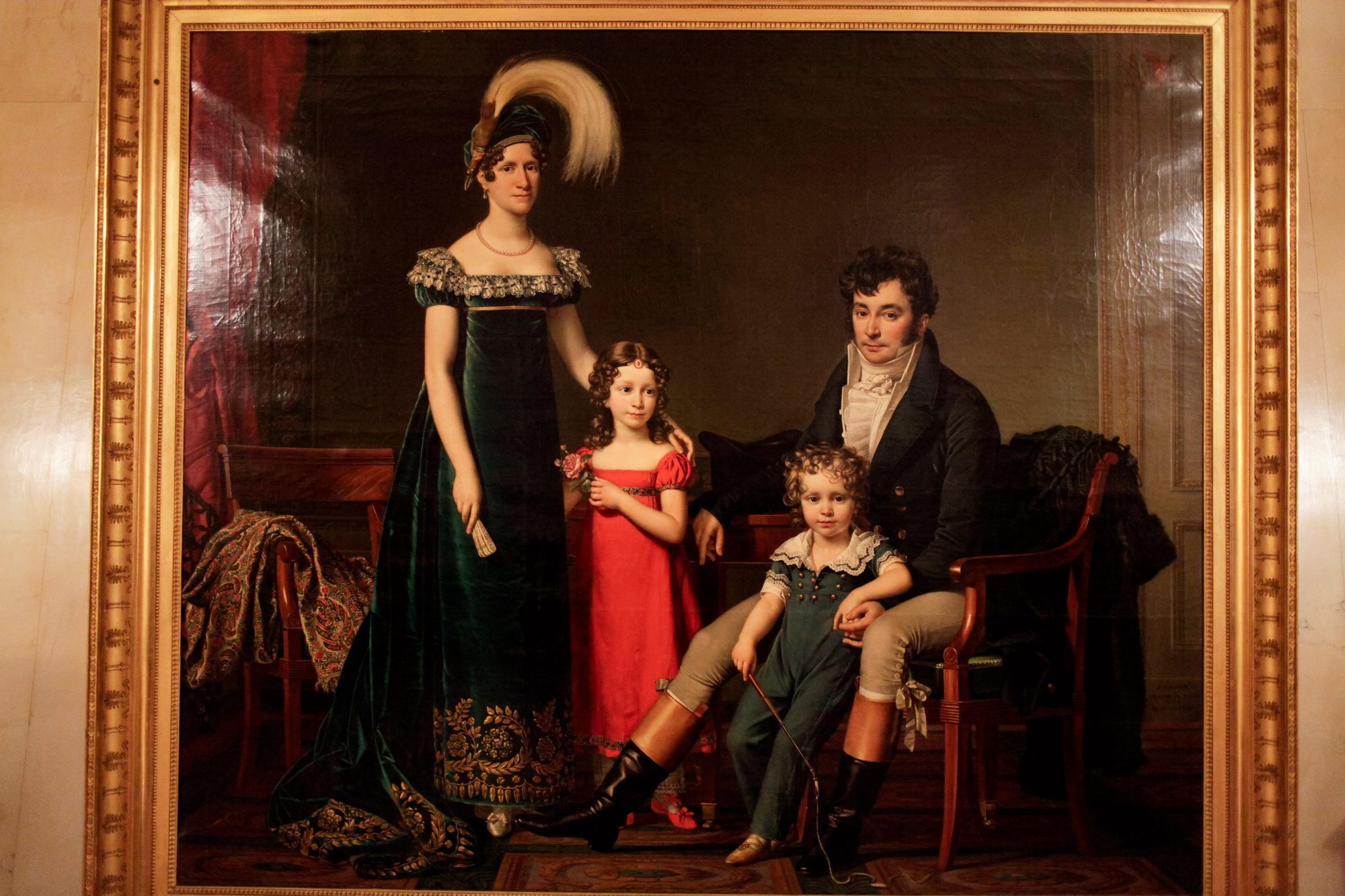
Joséphine Cornet de Grez, great-granddaughter of the Belhommes, marries Baron Idesbald Snoy et d'Oppuers. The senior branch of the Snoy family brings its archives and a remarkable gallery of family portraits to Bois-Seigneur-Isaac.
1957
The Treaty of Rome
Count Jean-Charles Snoy et d'Oppuers (1907-1991), secretary-general of the Ministry of Economic Affairs, negotiates and signs the Treaty of Rome. He serves as Minister of Finance from 1968 to 1972.
1993
Exceptional heritage of Wallonia
The château is listed as part of the exceptional heritage of Wallonia.
Today
An open house
Baron Bernard Snoy and his wife, born Christine de Weck, founded the non-profit « Les Amis du Château de Bois-Seigneur-Isaac » to preserve the estate and open it to visits, receptions and meetings.
The interior
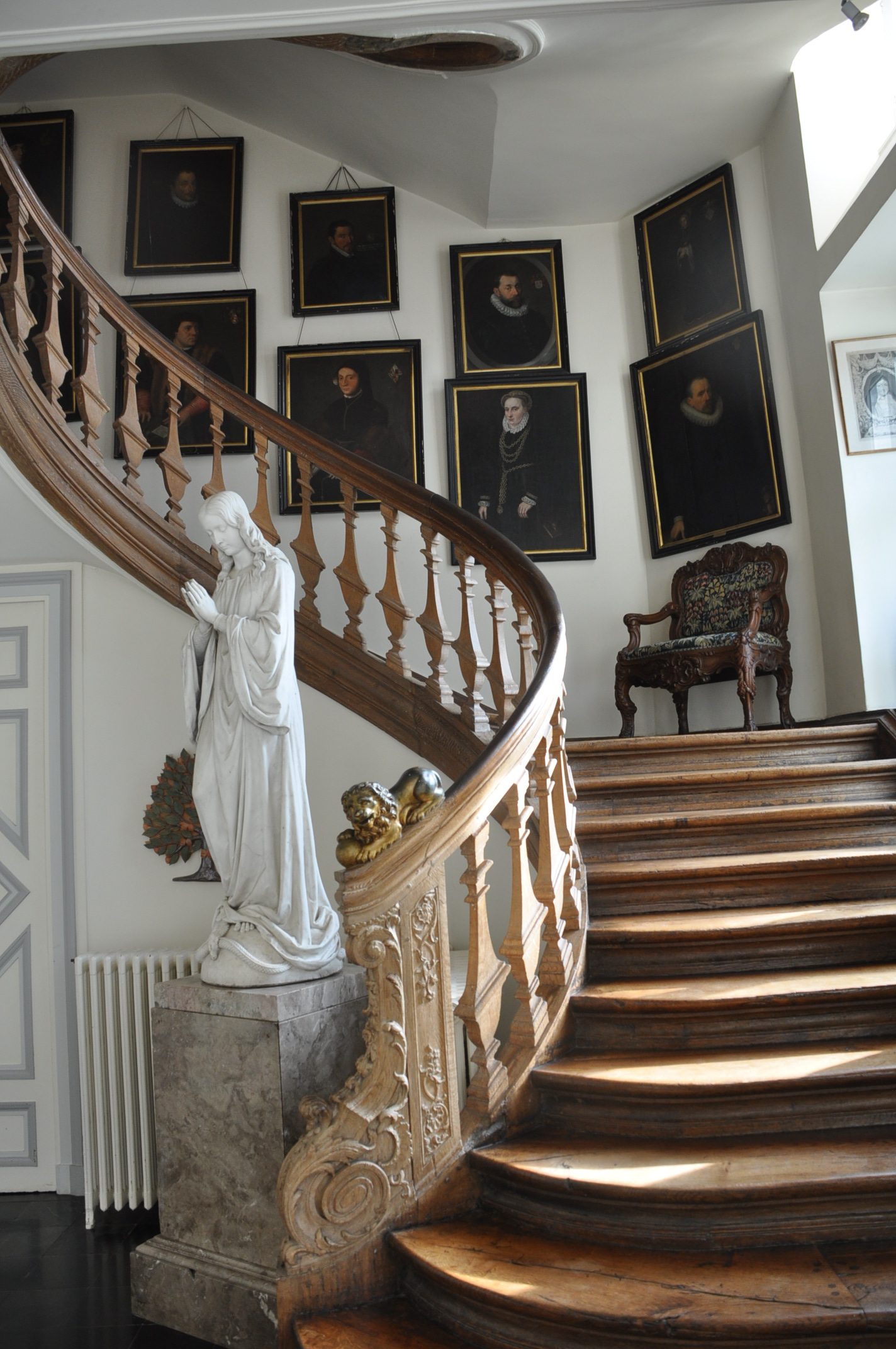
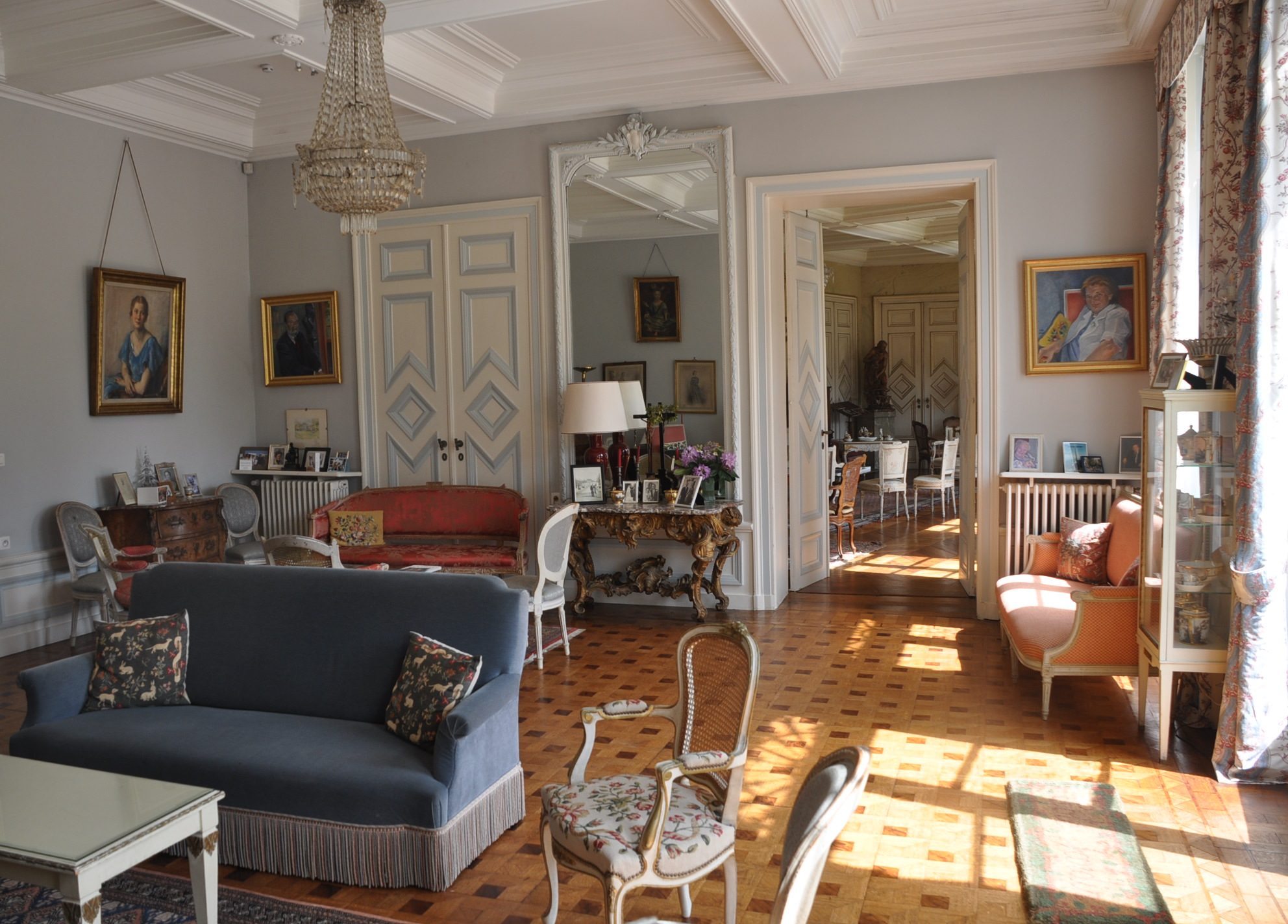
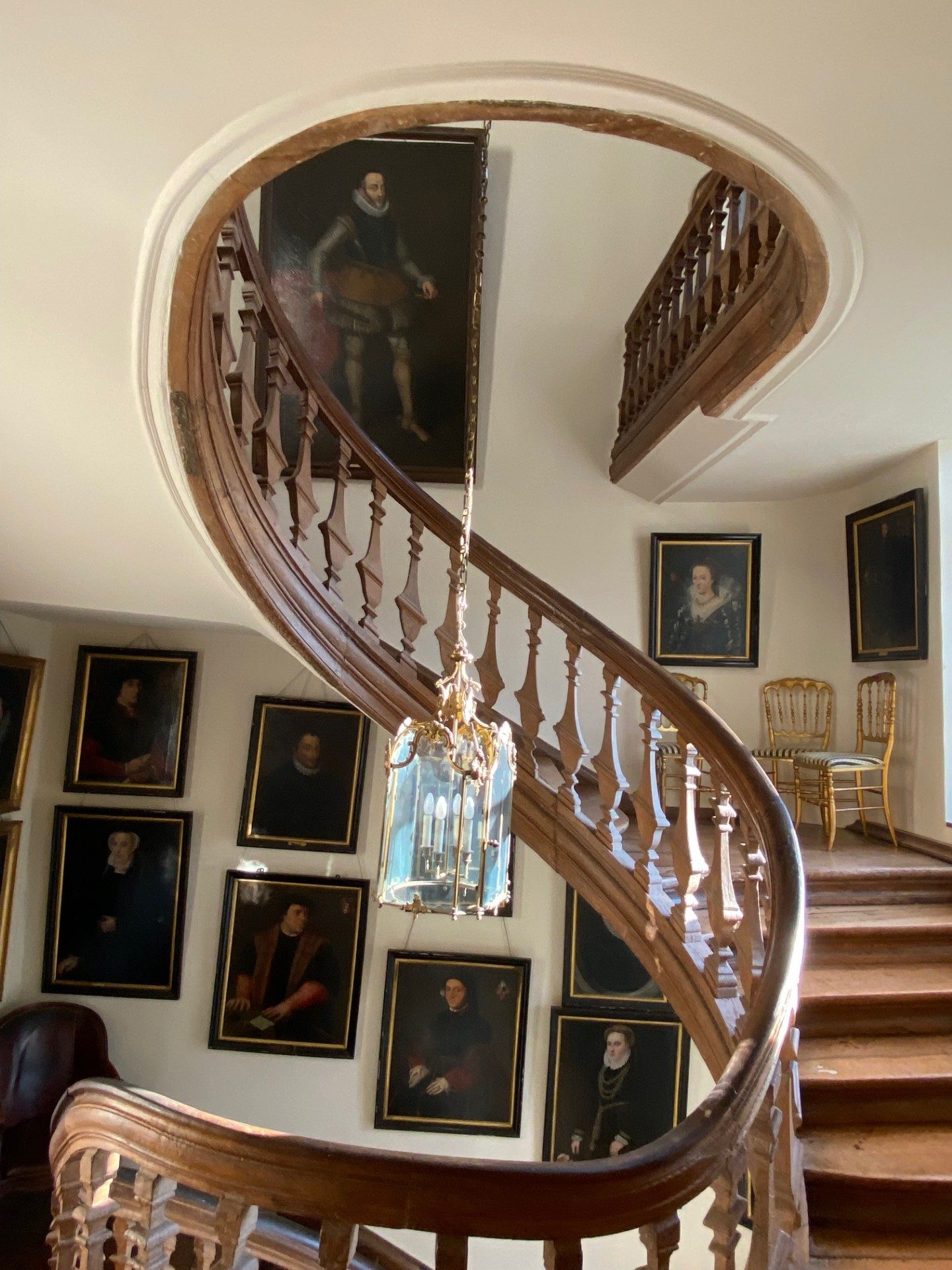
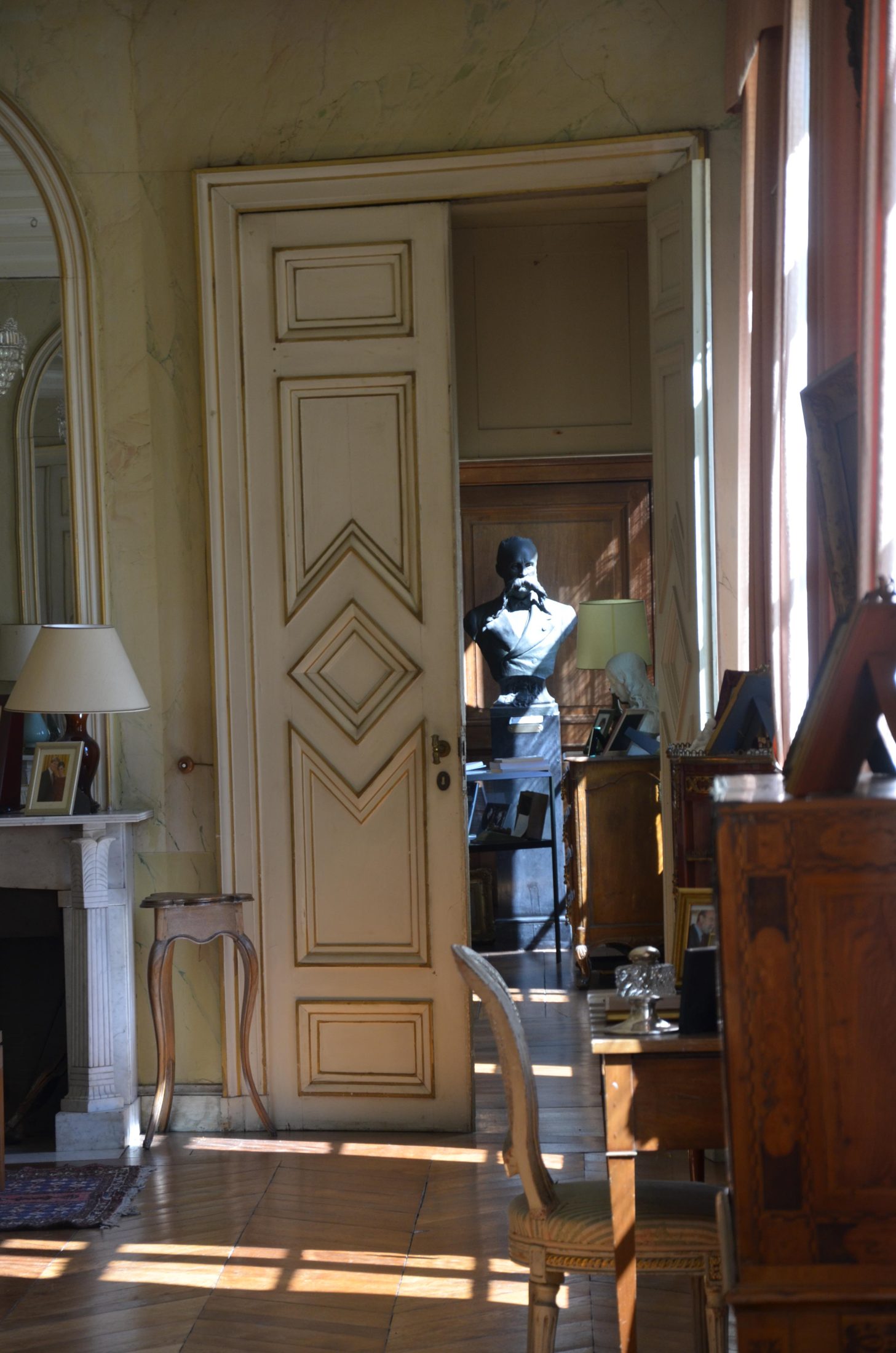
The main entrance leads into a hall from which rises a magnificent double-helix staircase. The hall opens onto the Square Drawing Room, named after the patterns of its parquet floor and its coffered ceiling. This room stands at the centre of a suite of three large rooms, with the Empire-style Great Drawing Room to its left and, to its right, the Dining Room with its striking gallery of family portraits.
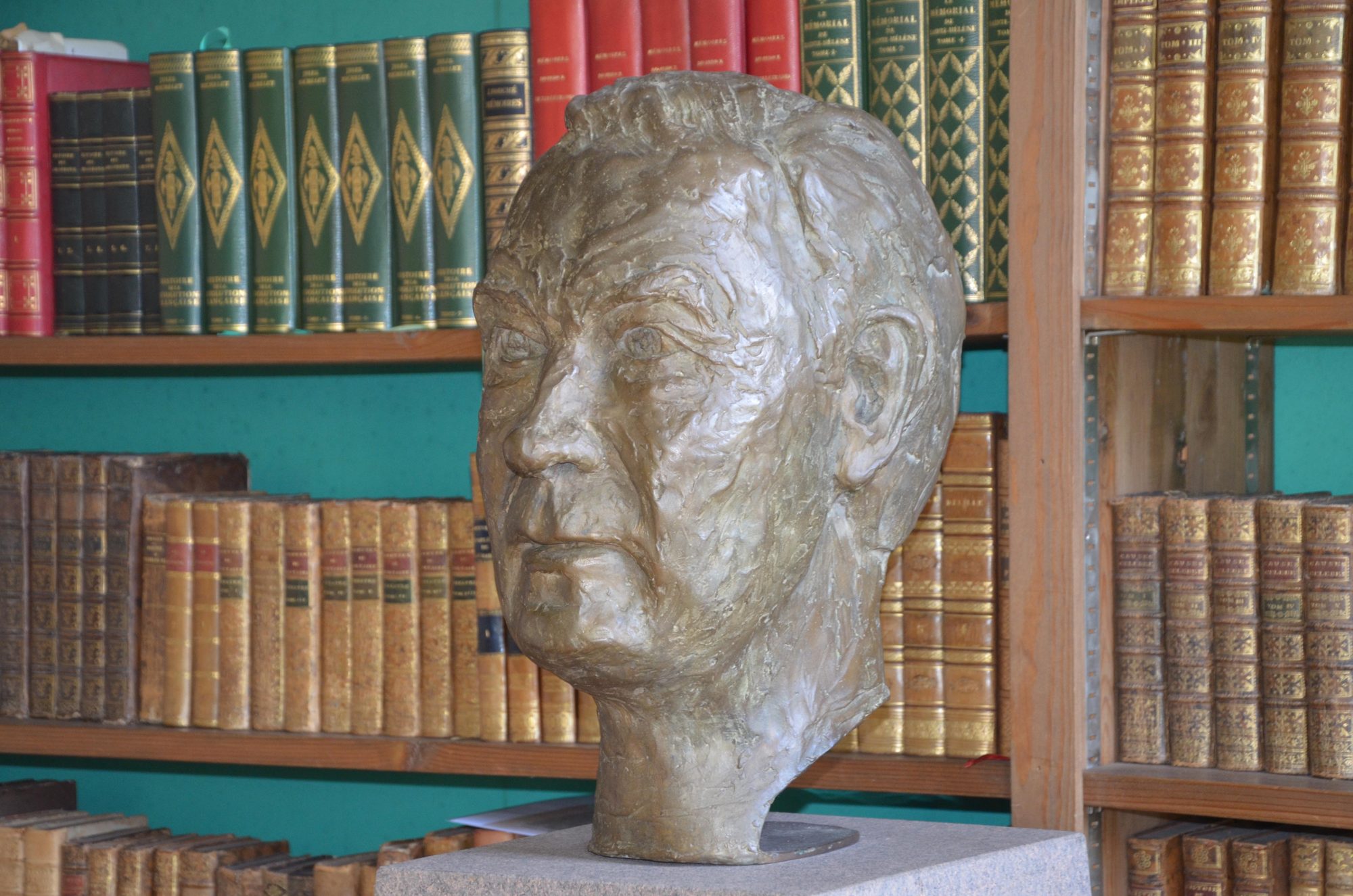
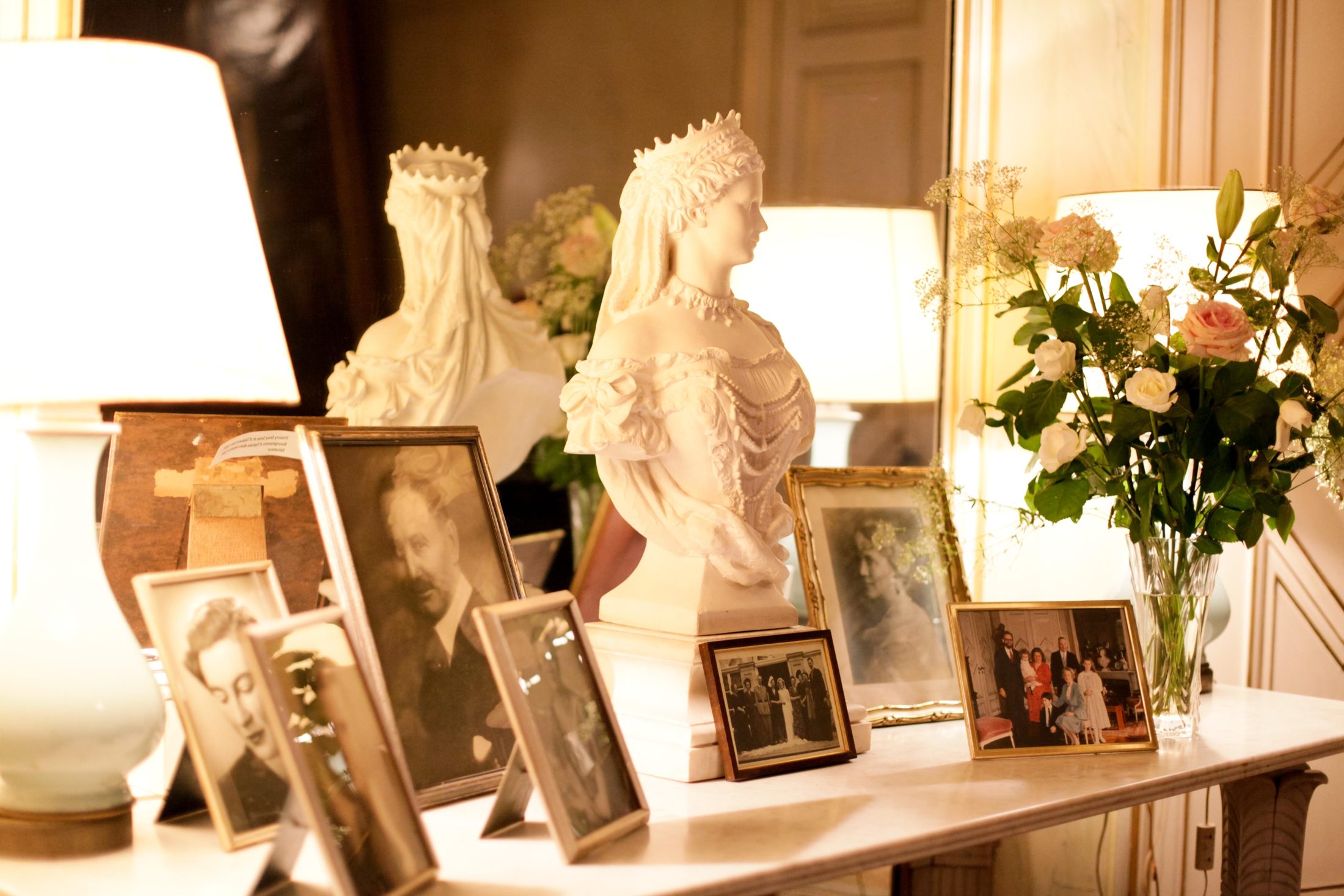
You will also see the small Marcello Drawing Room, named after the Swiss sculptor, widow of a Duke Castiglione Colonna, as well as the Library and the Armoury. Throughout the house are mementoes of the Snoy family, in particular of Count Jean-Charles Snoy et d'Oppuers, Minister of Finance from 1968 to 1972 and signatory of the Treaty of Rome in 1957.
The park
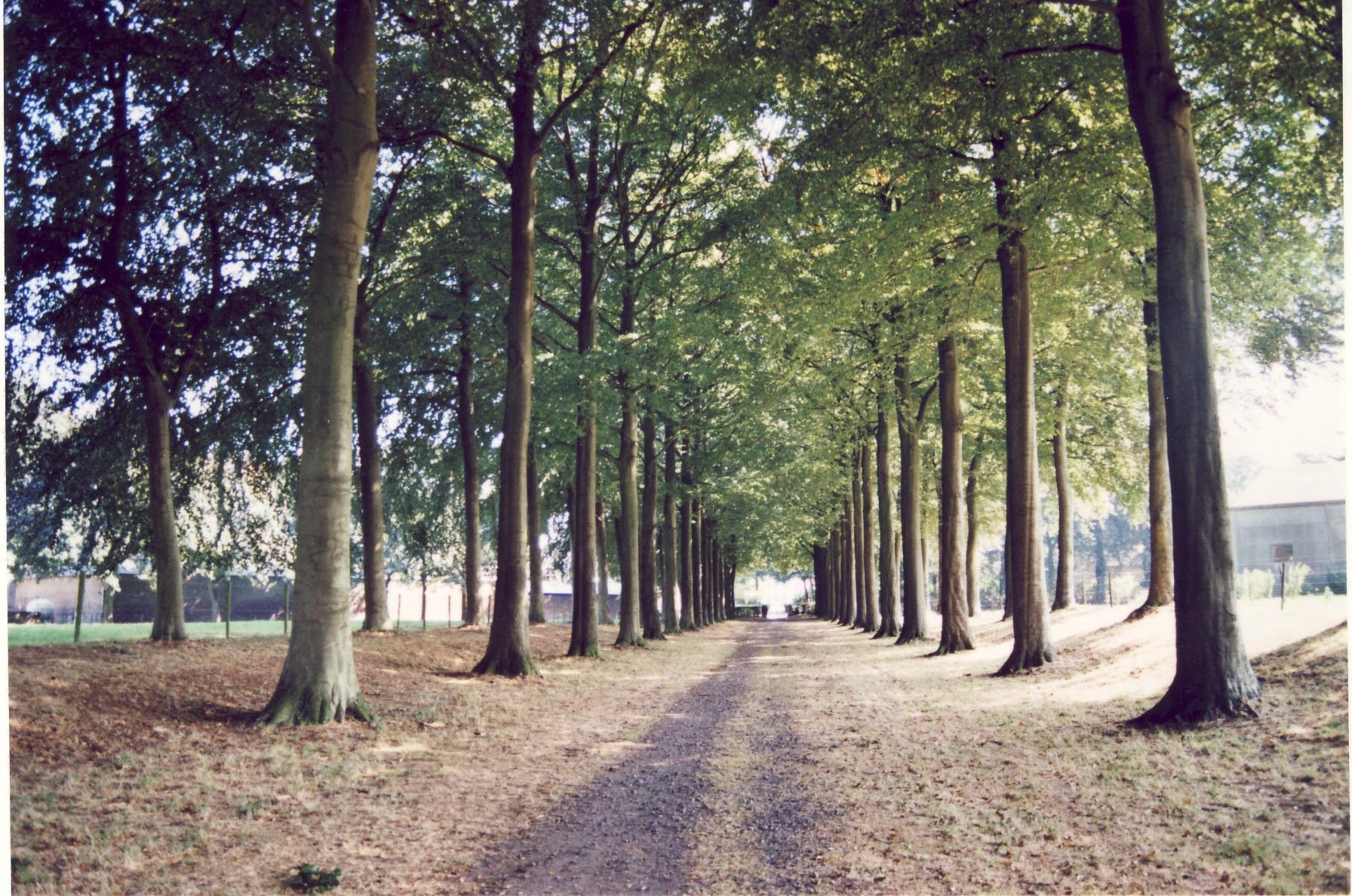
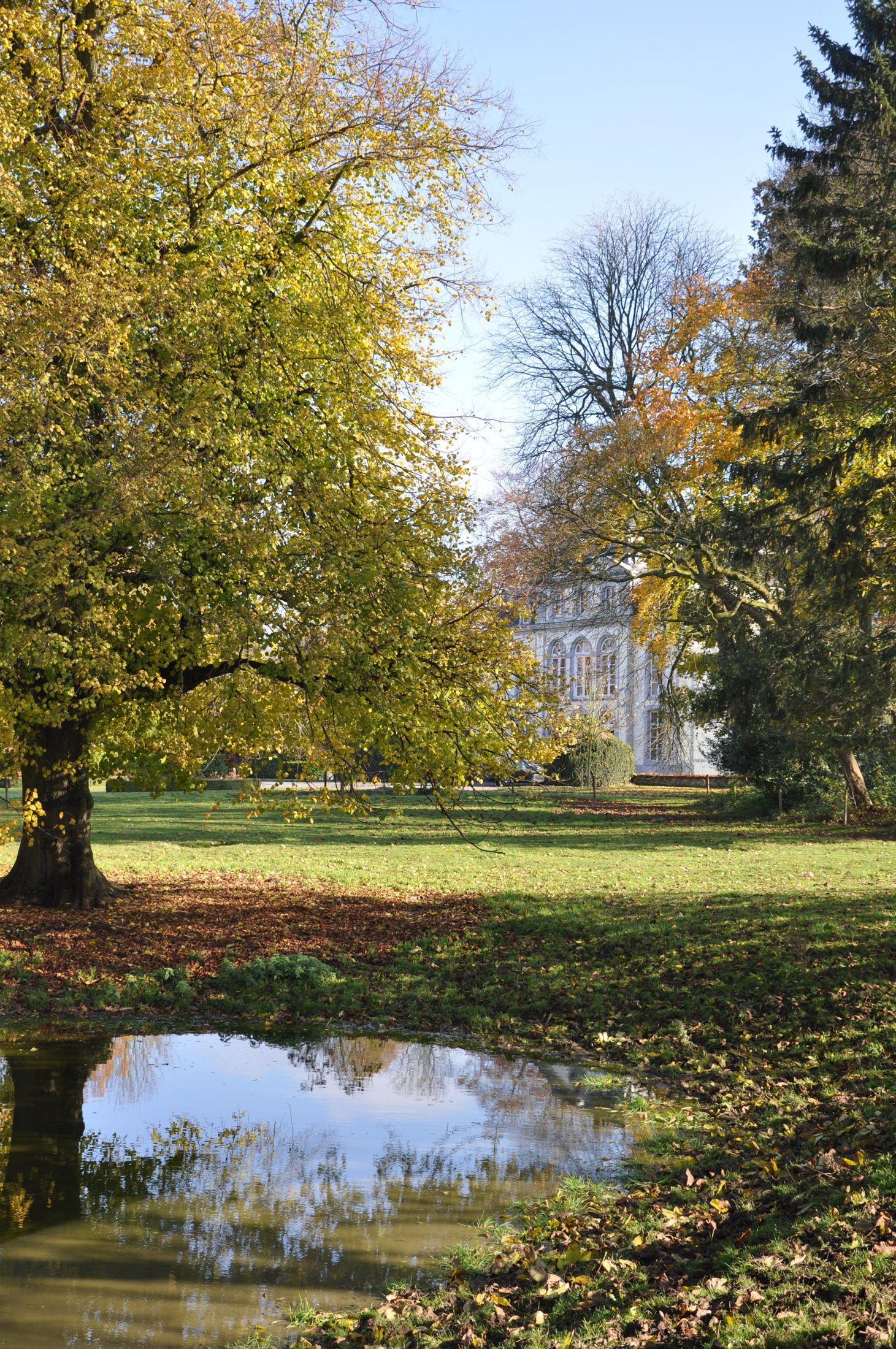
Behind the château lies a landscape park of some ten hectares, enclosed since 1815 by a brick wall. It was reshaped between 1810 and 1830 by Idesbald Snoy and remodelled around 1907, at the family's request, by the French landscape architect Achille Duchêne. The beech avenue dates from 1930.
Achille Duchêne and the “composite style”
Achille Duchêne (1866-1947) was, with his father Henri, the great restorer of the French formal garden: Vaux-le-Vicomte, Champs-sur-Marne, Courances, Blenheim in England. His style, inspired by Le Nôtre yet attentive to the landscape, combines geometric design near the façades with the freedom of the landscape park — what was then called the “composite style”. Axes and vistas are central to it: they start from the house and run far beyond the garden into the surrounding countryside. The Duchêne practice produced some six hundred projects worldwide, about forty of them in Belgium; Bois-Seigneur-Isaac is among the best-preserved Walloon examples.
The eastern vista
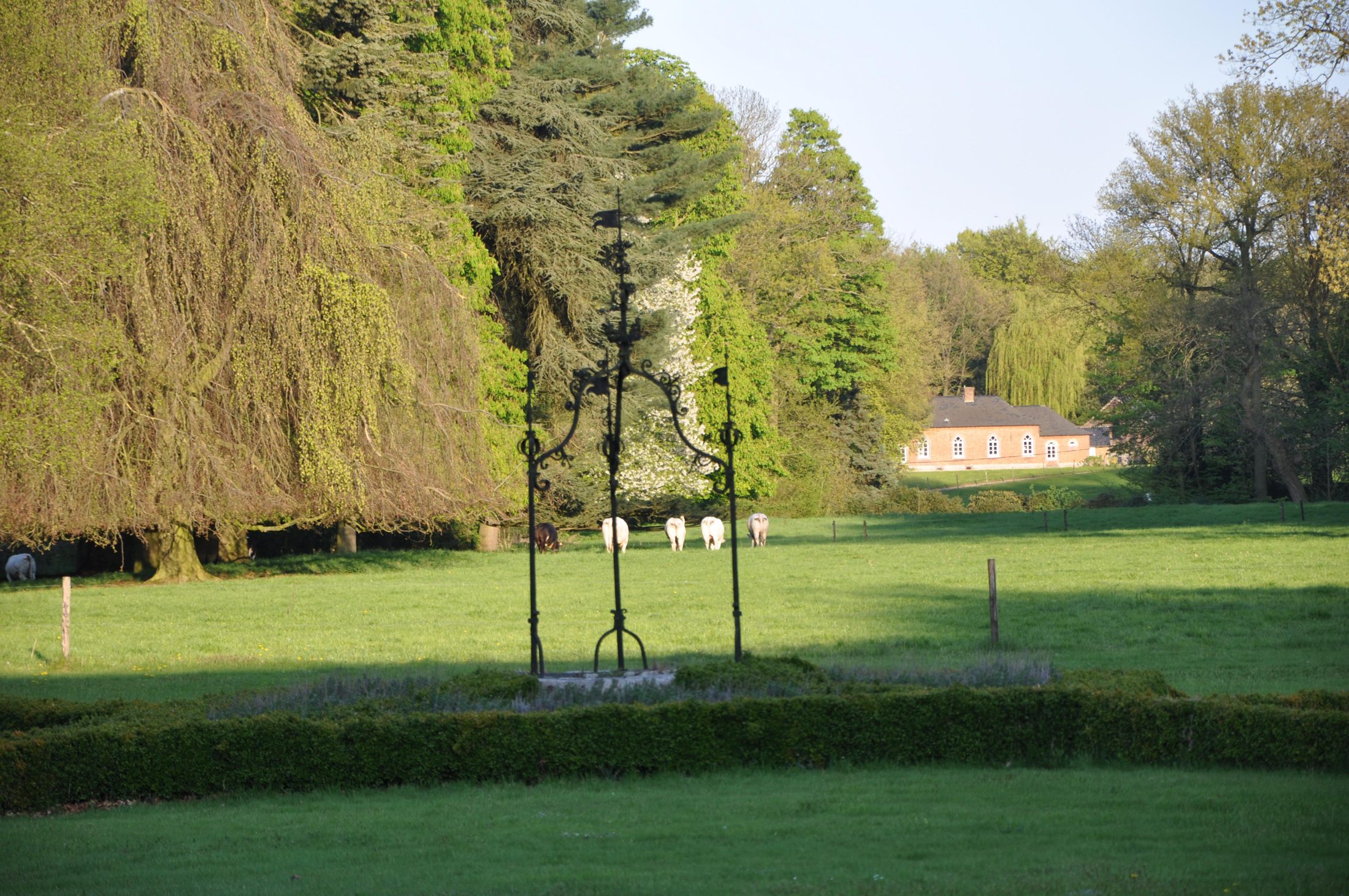
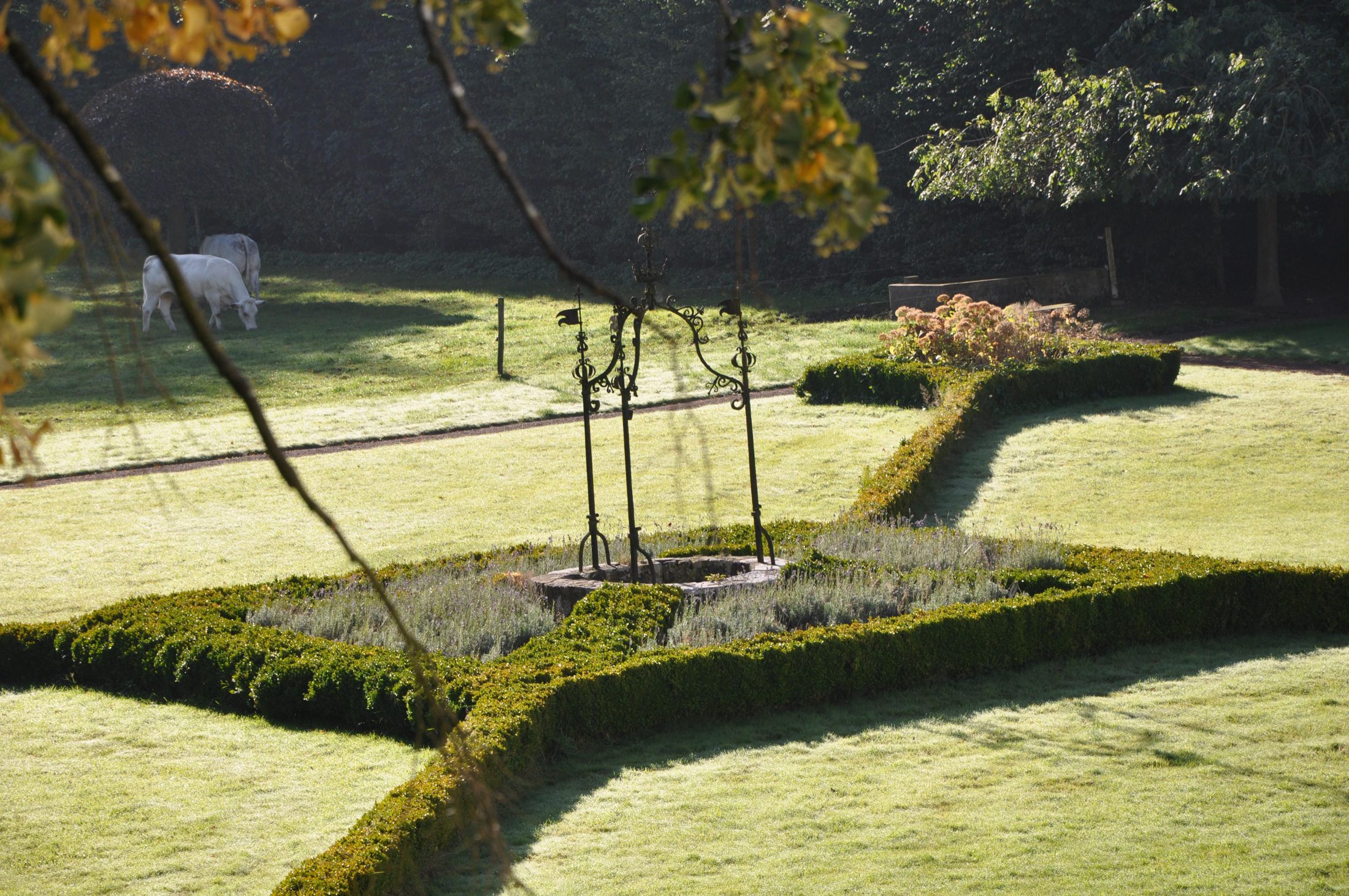
At Bois-Seigneur-Isaac, Duchêne did not start from scratch: he worked within the existing landscape park. From the rear façade of the château he opened a great axis towards the south-east: a wooded edge was felled, the boundary wall lowered, and a geometric lawn parterre with its basin laid out at the foot of the façades. The axis is not quite the continuation of the entrance drive: it is slightly adjusted to focus on the keeper's house at the Bois Planté, already standing at the far end of the park on the Popp map of 1860. Such corrections of perspective, found in other Duchêne works, sought harmony between parterre and façades. Two secondary diagonal axes, to the south and to the east, also cross the lowered wall and end on clumps of trees planted outside the park. A map of the park from 1875, kept at the château, shows the layout before this intervention.
These vistas have been maintained for over a century: the view towards the keeper's house to the east and towards the church of Braine-l'Alleud to the north are still open. The Inventory of Parks and Gardens of Belgium describes them as components of the site. The landscape thus composed reaches well beyond the park walls: the whole surrounding countryside is its backdrop.
Remarkable trees
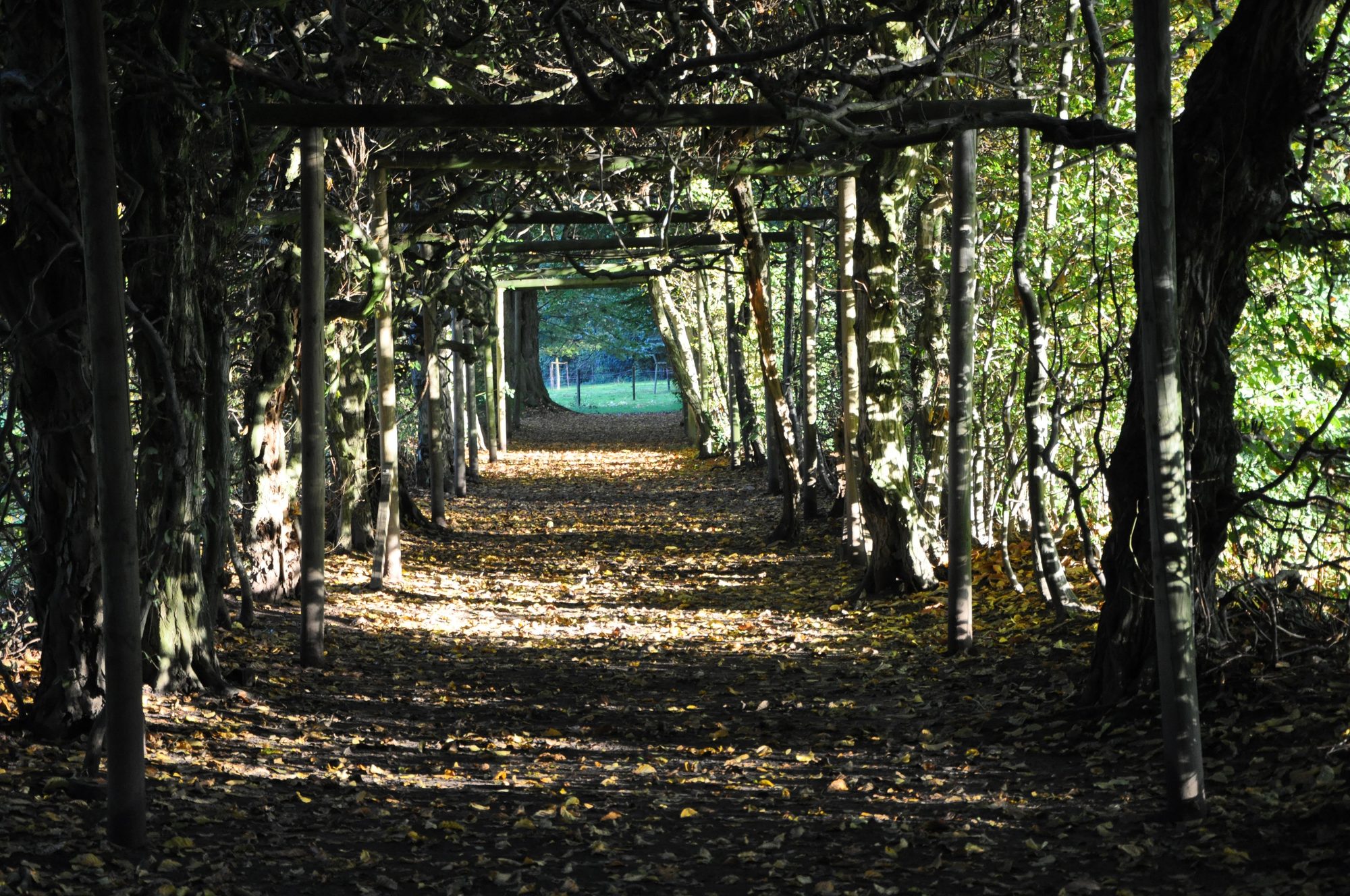
The park is home to some fifty trees listed in the Walloon inventory of remarkable trees: horse chestnuts, limes, oaks, yews, beeches, maples, cedars, a tulip tree, a sequoia, hornbeam walks…
A protected site
The site formed by the château, the park, the abbey, the Chapel of the Holy Blood and the farm has been listed since 2 February 1944, with further listing orders in 1969, 1991 and 1999. The ensemble is inscribed on the list of the exceptional heritage of Wallonia.
The beech avenue
A magnificent avenue lined with beech trees runs opposite the entrance to the park. It is a delightful place for a walk, with a beautiful view of the château's façade.
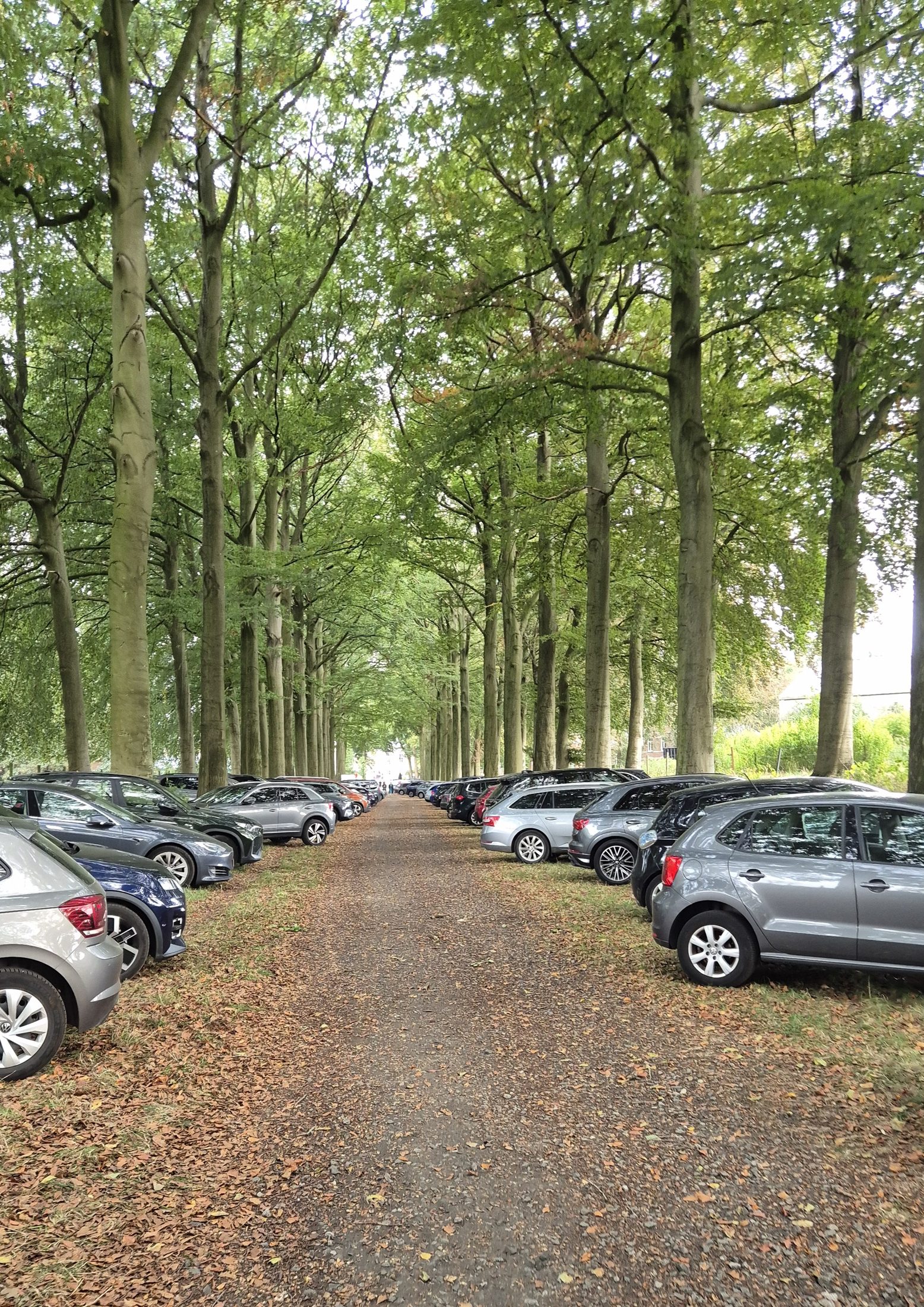
The avenue can host a variety of outdoor events, and is used for parking during events at the château.